Teaching and learning physical skills often require one-on-one interaction, which makes it difficult to scale when there are not enough human teachers. TeachingBot is an adaptive robotic system that teaches handwriting to human learners through physical interaction.
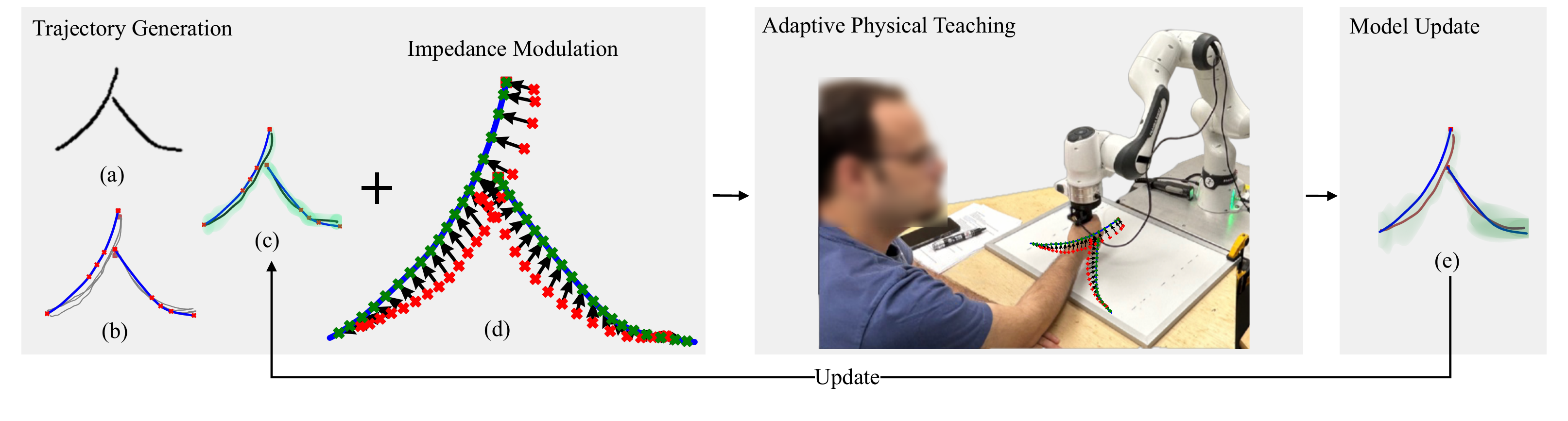
The system addresses two central robot-teaching challenges: adapting to the learner's individual handwriting style and maintaining an engaging learning experience. TeachingBot captures the learner's writing style with a probabilistic model, generates a personalized teaching trajectory, and uses variable impedance control to adjust physical guidance based on learner performance. Human-subject experiments with 30 participants show improved handwriting and engagement over baseline methods.
TeachingBot learns the learner's writing style, extracts training waypoints, and updates both trajectory and impedance for physical teaching.
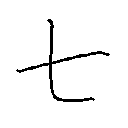
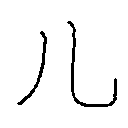
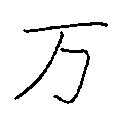
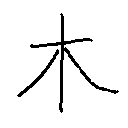
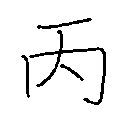
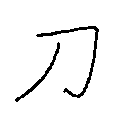
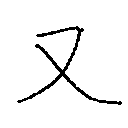
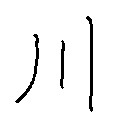
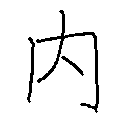
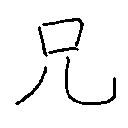
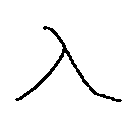
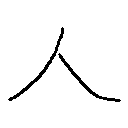
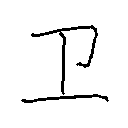
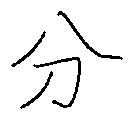
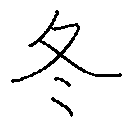
The paper evaluates 15 common Chinese characters grouped by stroke count, covering frequently used stroke patterns.
C1-1
C2-1
C3-1
C4-1
C5-1
C1-2
C2-2
C3-2
C4-2
C5-2
C1-3
C2-3
C3-3
C4-3
C5-3TeachingBot was evaluated with 30 participants learning Chinese handwriting.
Each trial includes a pre-test, robot teaching, and final evaluation. The compared methods separate visual practice, rigid guidance, generic variable impedance, and TeachingBot's personalized guidance:
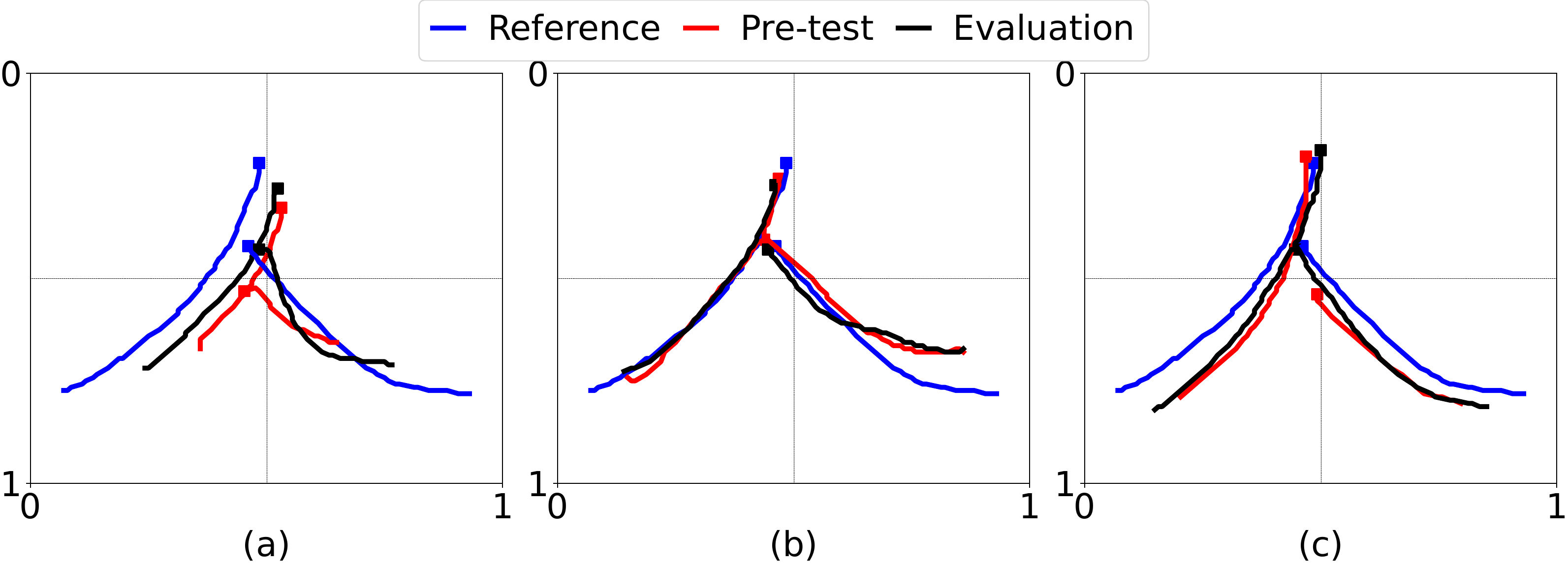
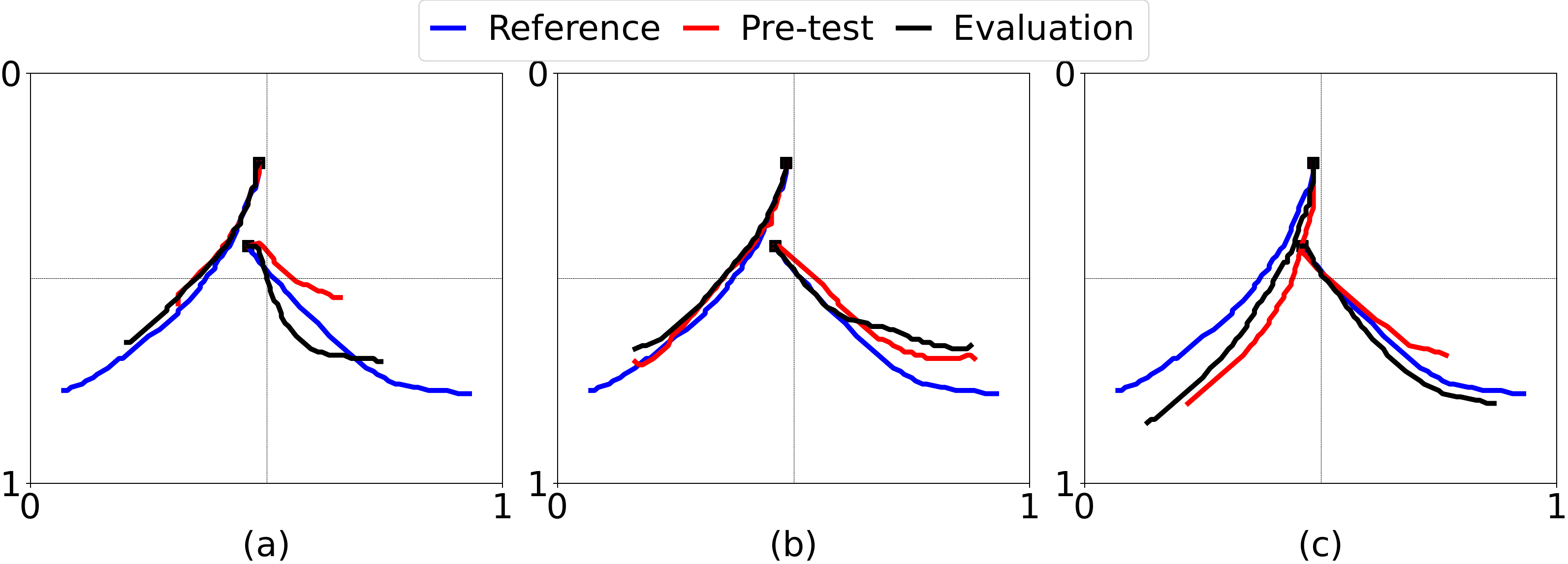
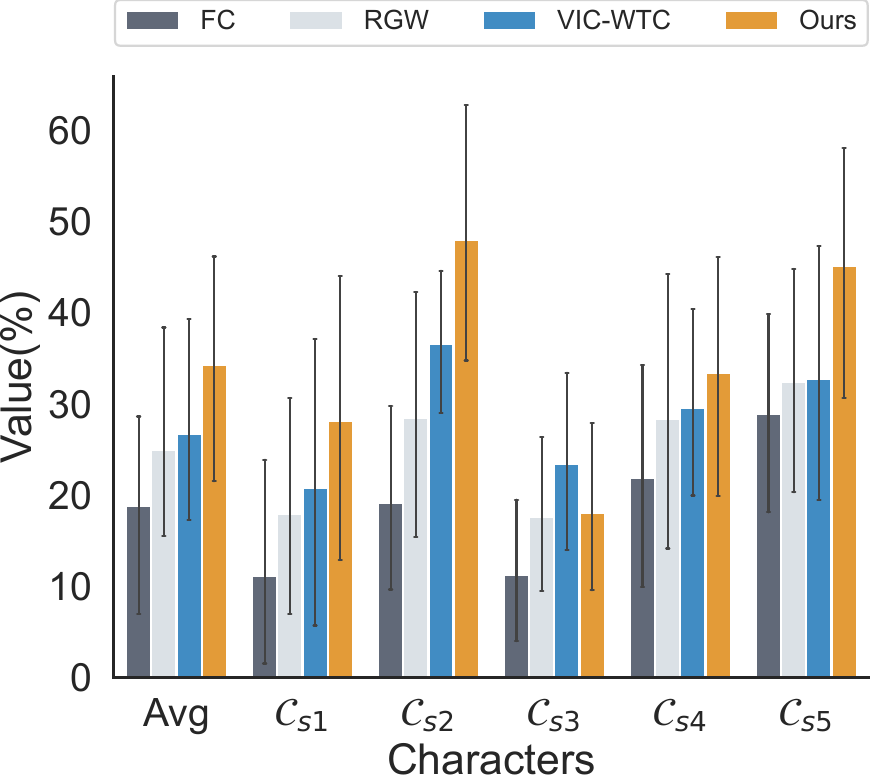
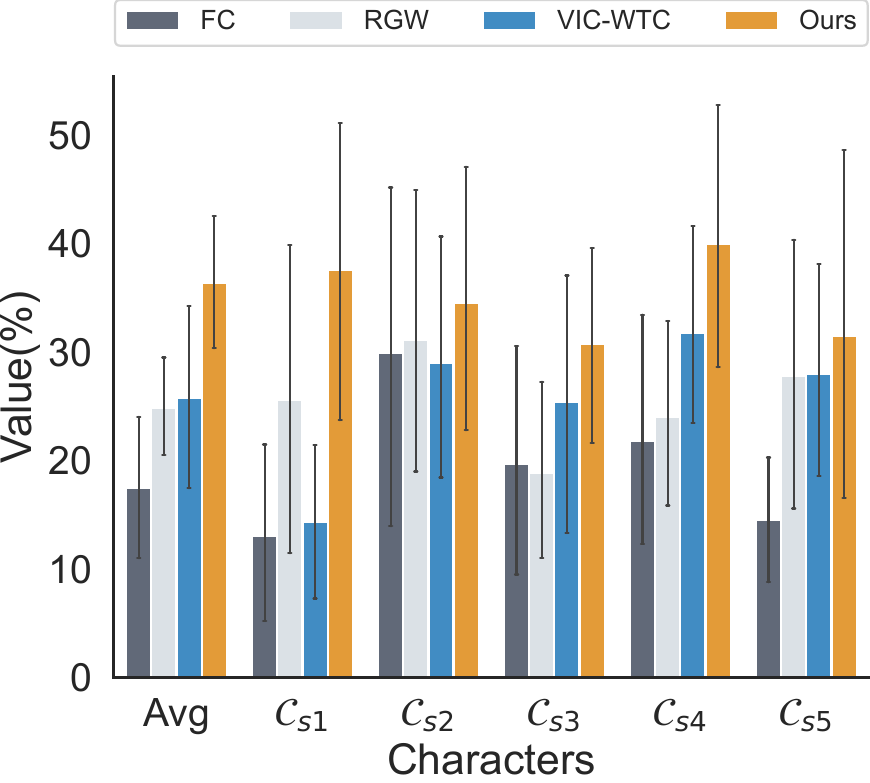
Metric 1 measures whole-character structure; Metric 2 measures stroke-wise shape and placement.
Metric 1 example: evaluation traces move closer to the reference structure.
Metric 2 example: TeachingBot gives the strongest stroke-wise correction.
Physical guidance helps learners capture the overall character; personalized trajectory adaptation is most useful for fine stroke details.
Metric 1 measures overall character layout. TeachingBot improves this global structure over FC and RGW.
Metric 2 measures individual stroke accuracy. TeachingBot significantly improves Metric 2 over all baselines.
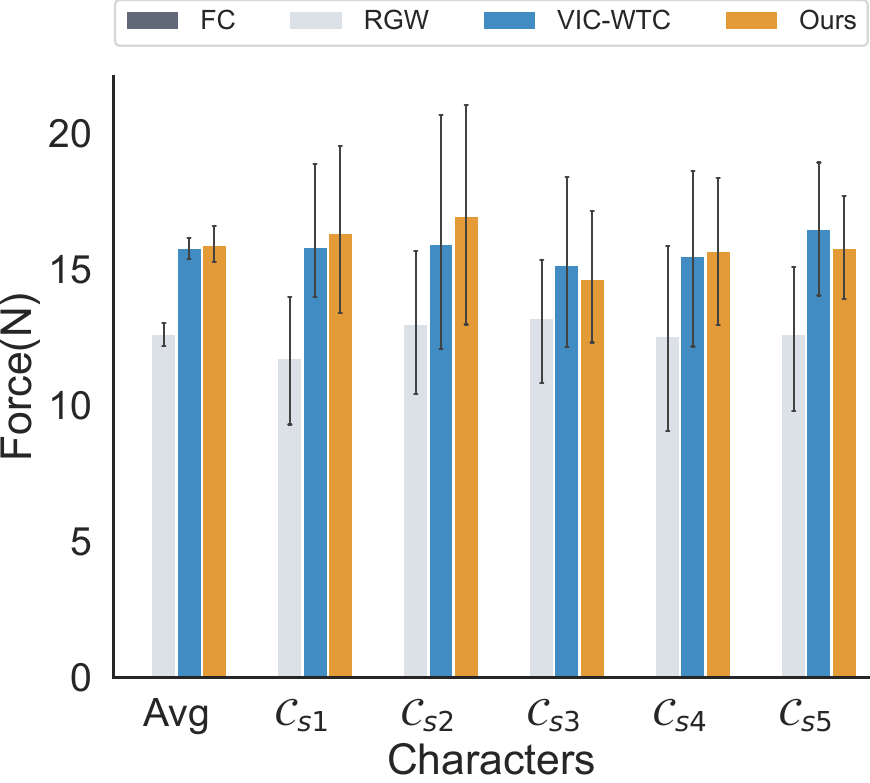
Interaction force is used as an engagement signal; higher force suggests learners are actively participating.
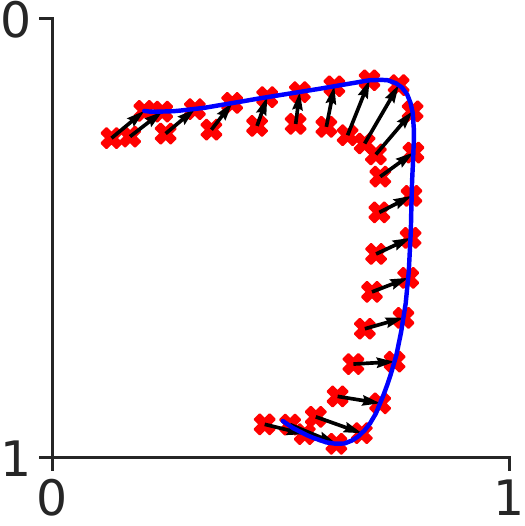
Personalized waypoints gradually move from the learner's writing toward the reference, especially near high-curvature regions.
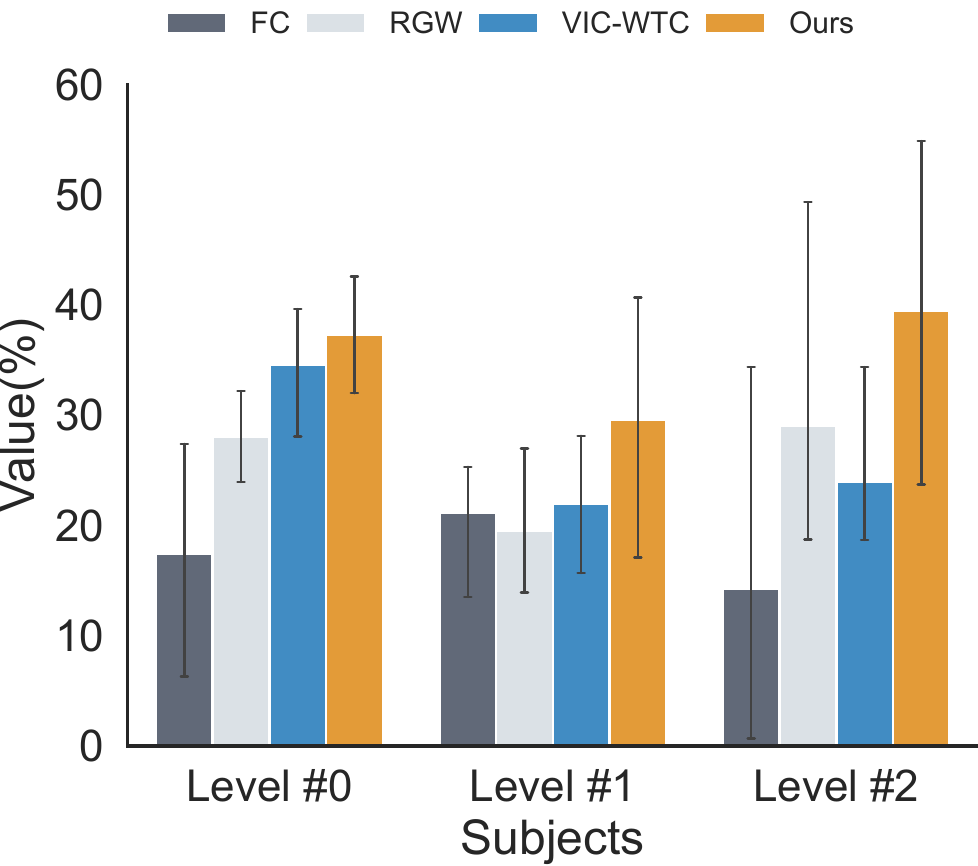
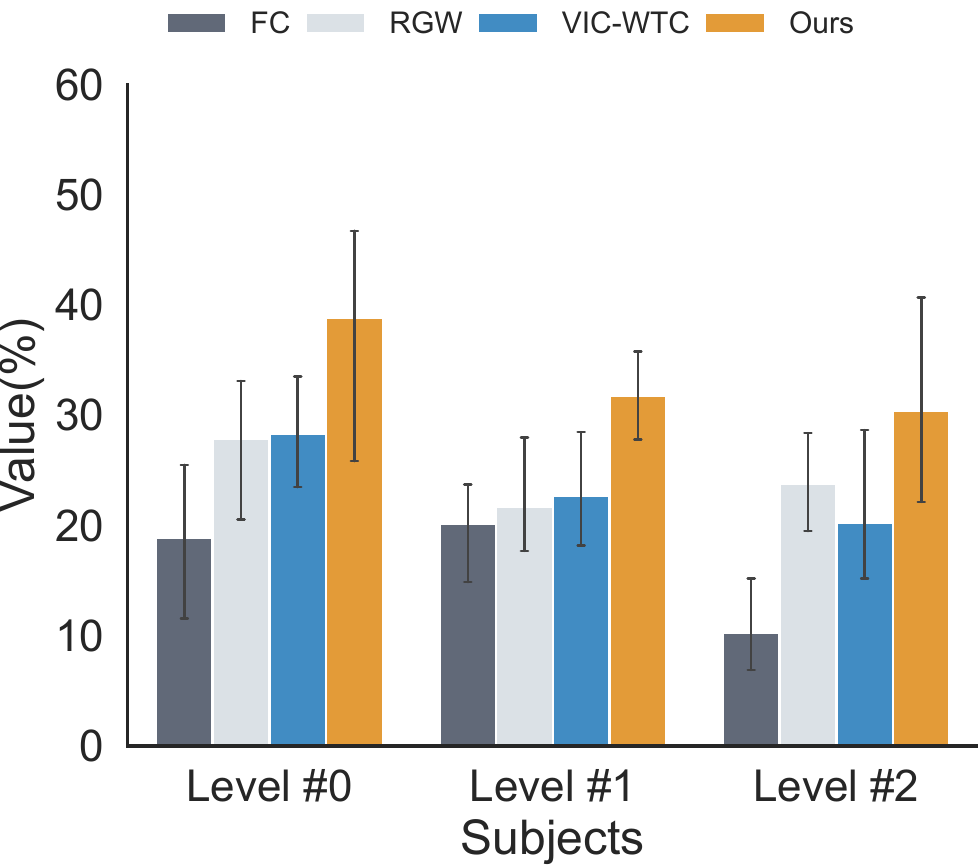
Prior Chinese-writing experience changes where learners improve. Experienced participants gain more in overall structure, while participants with basic familiarity show clearer stroke-wise gains. Novices show no consistent trend, suggesting they may need more feedback or longer training.
Metric 1 by prior experience: experienced participants show clearer global-structure gains.
Metric 2 by prior experience: basic-familiarity participants improve more, while novices show no clear trend.
@article{HouYu2026teachingbot,
title = {TeachingBot: Robot Teacher for Human Handwriting},
author = {Hou, Zhimin and Yu, Cunjun and Hsu, David and Yu, Haoyong},
journal = {IEEE Robotics and Automation Letters},
year = {2026}
}